

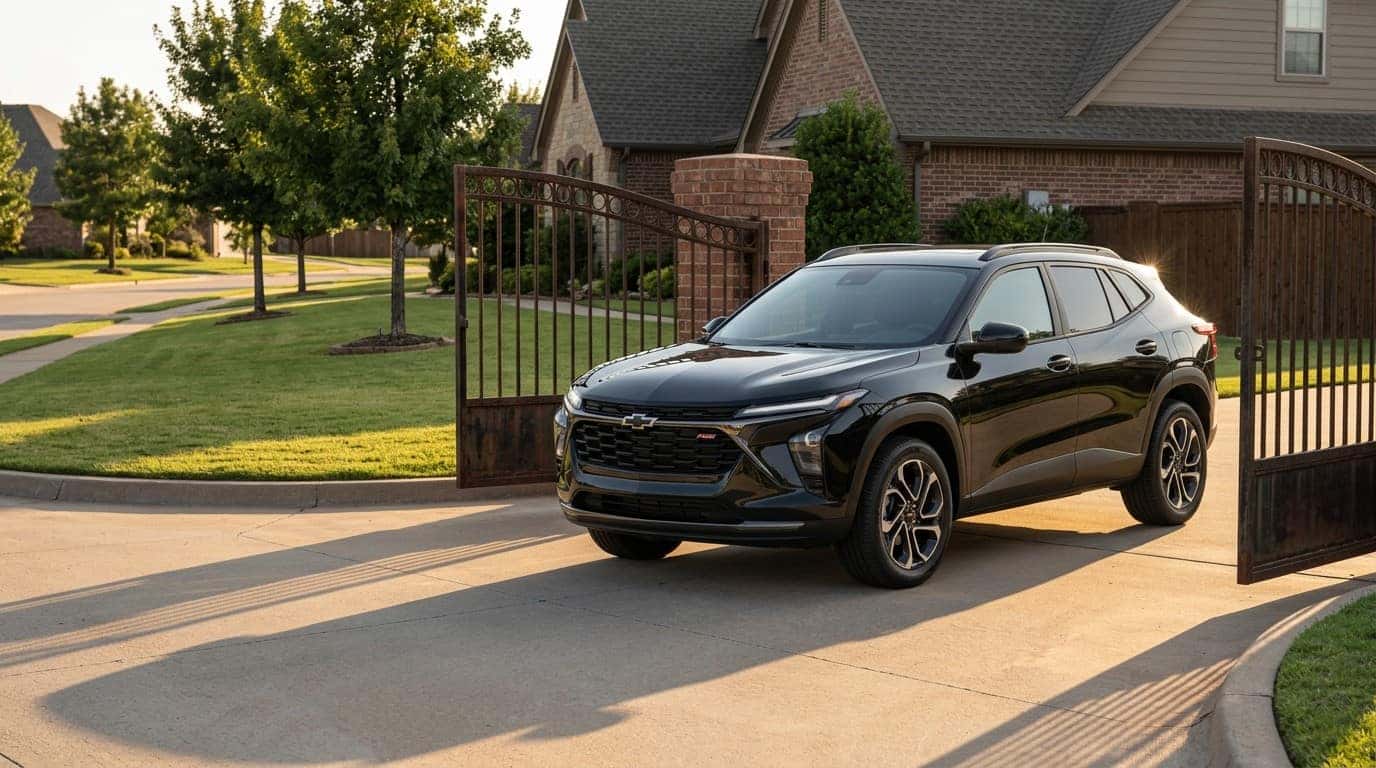
Trax Lease vs. Buy: Which Makes Sense at This Price Point
Lease-vs-buy advice you find online is often written generically, for a $45,000 truck or a $50,000 SUV, and then applied blindly to a $22,000 Trax. The math doesn't scale down cleanly. Here's what's actually different when the vehicle in question starts under $22,000.
Our take, plainly: on a vehicle this affordable, buying usually wins for most people, because the interest and depreciation costs that make leasing attractive on expensive vehicles are already small on a Trax. The math still depends on your specific credit, mileage, and how long you plan to keep the vehicle — this article explains why, not a guaranteed answer for your situation.
The Basic Trade-Off
Buying means you own the vehicle outright once it's paid off, build equity with every payment, can drive as many miles as you want, and can modify or sell it whenever you choose. You're on the hook for the full purchase price (plus interest, if financed), and once the warranty runs out, you own the maintenance costs too.
Leasing means you're paying for the vehicle's depreciation during the lease term, not its full value — which is why lease payments are often lower than loan payments on the same vehicle. But leases come with mileage caps (commonly 10,000–12,000 miles a year, with fees for going over), wear-and-tear charges at turn-in, and you own nothing at the end unless you exercise a buyout.
Why Trax's Price Changes the Math
Leasing tends to look best on vehicles that depreciate quickly and cost a lot upfront — that's where the monthly-payment gap between leasing and financing is largest. Trax starts at $21,700, already one of the more affordable ways into a new vehicle, so the dollar amount you'd save per month by leasing instead of buying is naturally smaller than it would be on a $40,000 SUV. For a lot of Trax shoppers, that gap isn't large enough to offset giving up ownership and mileage flexibility.
Lease vs. Buy at a Glance
| Buying/Financing | Leasing | |
|---|---|---|
| Ownership | Yours once paid off | Return or buy out at lease end |
| Mileage | Unlimited | Typically 10,000–12,000 mi/year cap |
| Monthly Payment | Generally higher | Generally lower |
| Best For | Keeping the vehicle years, high-mileage drivers | Lowest payment, new vehicle every few years |
| End of Term | No further payments, full equity | No equity unless you buy it out |
Our Take
For most Trax shoppers, we'd lean toward financing rather than leasing. The price point is low enough that the payment savings from leasing are modest, and you avoid mileage caps and turn-in wear charges entirely by owning. If your priority is the absolute lowest monthly payment and you're comfortable trading in every few years within a mileage limit, leasing is still a legitimate option — ask your Carter finance specialist for current lease terms, since those change monthly and we don't want to quote you a stale number here.
Whichever route you choose, financing terms depend heavily on your credit profile. Carter works with a network of Oklahoma City-area credit unions, reviewing your credit first and matching you with the best-fit lender rather than a one-size-fits-all rate — see our full credit union auto financing guide and our credit union vs. bank vs. dealer financing comparison for the details.
Questions to Answer Before You Decide
- How many miles do you drive in a typical year? Over 12,000 leans you toward buying
- Do you want to own the vehicle long-term, or prefer a new one every few years?
- Have you checked your credit and gotten a rate estimate before shopping?
- Ask us for current lease and APR offers — both change monthly and aren't listed in this article for that reason
Frequently Asked Questions
Is it better to lease or buy a Chevrolet Trax?
For most shoppers, buying tends to make more sense on a Trax specifically, since its low starting price ($21,700) narrows the payment gap that usually makes leasing attractive on pricier vehicles. Leasing can still fit if you want the lowest payment and drive under the mileage cap.
What's the mileage limit on a Trax lease?
Lease mileage caps are typically 10,000–12,000 miles per year, with per-mile overage fees at turn-in; exact terms depend on the specific lease offer at the time, so confirm current terms with Carter's finance team.
Do I need good credit to lease or finance a Trax?
Credit requirements vary by lender and offer. Carter reviews your credit first, then matches you with the best-fit lender from its network of Oklahoma City-area credit unions rather than a single rate for everyone — see our financing guide for details.
Can I buy my Trax at the end of a lease?
Most leases include a buyout option at lease end; ask your Carter finance specialist for the buyout terms on any specific lease offer.
Does Carter Chevrolet offer current Trax lease or APR deals?
Offers change monthly. Check our new Trax inventory page or contact Carter directly for what's currently available.
Common Questions
Sources
- 2026 Chevrolet Trax pricing — Chevrolet.com
- Lease vs. buy general guidance — Edmunds.com
- Carter Chevrolet credit union financing process — carterchevroletok.com